Thinking grounded in real hotels and real data.
CRH publishes perspectives, research, and field reports rooted in what's actually happening inside hotels, the tradeoffs leaders face, the data that does and doesn't exist, and what the industry needs to do differently.
We don't write about what hospitality should look like. We write from inside it.
Perspectives
This is where the conversation happens. Hotel owners, operators, researchers, and industry leaders sharing what they’re seeing, thinking, and questioning about responsibility, performance, and what it actually takes to run a hospitality business with integrity

Hospitality in the United States was built by immigrants, and it still runs on their skill, care, and endurance. As hotels increasingly become flashpoints in the immigration crackdown, the industry’s public silence is hard to reconcile with the values it claims to stand for. This is a reflection on service, welcome, and what integrity looks like when it is hardest.
Travelers increasingly want their choices to reflect their values — but the industry’s biggest challenge isn’t a lack of commitment, it’s a lack of clarity. Drawing on lessons from Baha Mar and Red Sea Global, Jay Rosen explores how responsibility becomes a competitive advantage when it’s grounded in community, evidence, and transparency. As travelers ask sharper questions and owners embrace long-term thinking, hospitality stands at a powerful intersection of culture, environment, and economic opportunity. Clarity, not complexity, will define the next decade of travel and set a new standard for responsible growth across the industry.
Rob Vogel returns to a New Orleans hotel he loved, only to find that its local art, energy, and identity have been replaced by corporate “green” branding. His story reveals how chasing sustainability as a slogan can erase the very soul of a place, and why real hospitality begins with community, not towel cards.
In hospitality, what gets measured defines what gets managed—but most hotels still measure rooms, not people. This piece explores why guest-level data is essential to responsible, efficient, and transparent operations, and how understanding who we serve can transform sustainability from abstraction into measurable, human-centered action.
Travelers are being asked to tread lightly — but hotels still carry the real weight of tourism’s impact. From Hawai‘i to New Zealand, guest-facing pledges promote responsible travel, yet most hotels haven’t aligned their business practices to match. This blog explores why the next competitive advantage in hospitality lies in operationalizing responsibility — not outsourcing it to guests.
Erik Warner, Co-founder of Eagle Point Hotel Partners, challenges the conventional “give back” model and makes the case for designing hotels with community at the core. Drawing from real experiences at the Anvil Hotel in Jackson Hole, Sound View in Long Island, and Turpin Meadow Ranch in Wyoming, he shares how integrating local artists, businesses, and voices into every stage of hospitality—design, operations, and guest experience—builds not only stronger communities, but more resilient and beloved hotels.
In today’s values-driven marketplace, transparency isn’t just a buzzword—it’s a business imperative. In this blog, Professor Leora Lanz explores how clear, honest communication builds trust, drives guest loyalty, and strengthens employee engagement.
What happens when hotels become more than a place to stay—and instead become cultural spaces that foster connection, creativity, and community? In this blog, we explore the Uncommon Art Residency, a unique program that brings artists into hospitality spaces to inspire meaningful guest engagement, support local creatives, and spark long-term value for hotels. From open studios to immersive guest experiences, this model of arts-driven hospitality proves that investing in the creative economy isn’t just inspiring—it’s smart business.
Research
The most important questions in responsible hospitality don’t have good answers yet. CRH is working to change that. Our research draws on operational data, workforce indicators, and guest behavior across real properties to build a clearer, more honest picture of what responsible performance actually looks like, and what it’s worth. We publish what we find, even when it challenges conventional thinking.
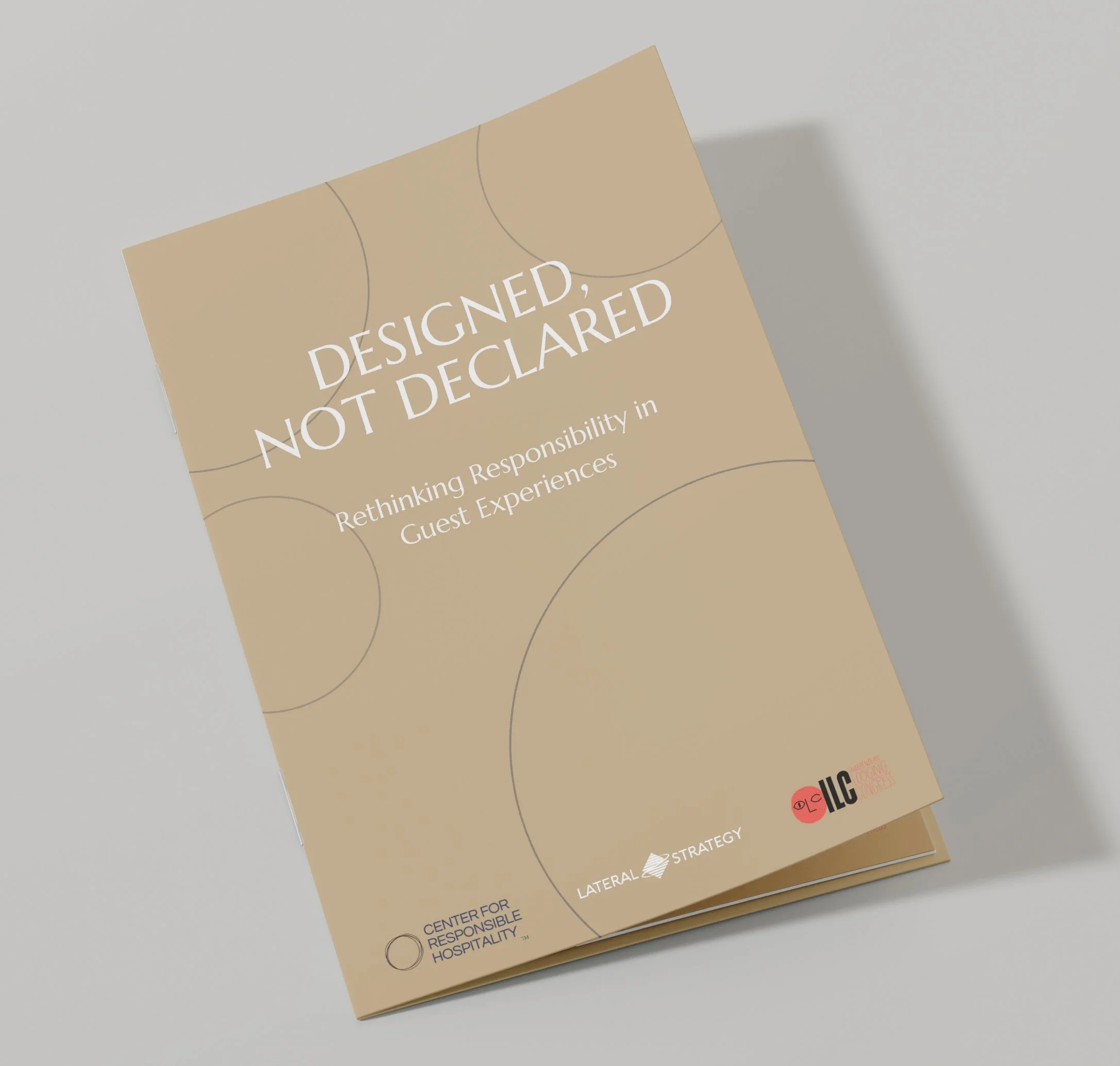
What does the data actually say about purpose-driven marketing? CRH board member and Boston University professor Leora Halpern Lanz, with contributions from CRH Founder Rebecca Ruf, breaks down the business case for wellness, sustainability, and community, and why marketing is the missing link.